Rose
Rose
Dear reader,
Since Pumpkin represented grounding and abundance, Almond represented wisdom and nourishment, and Ginger represented inner fire and action, I see Rose as representing love, compassion, beauty, and the gentle strength of the heart. It beautifully complements the holistic philosophy and the chakra journey, especially the Anahata (Heart Chakra).
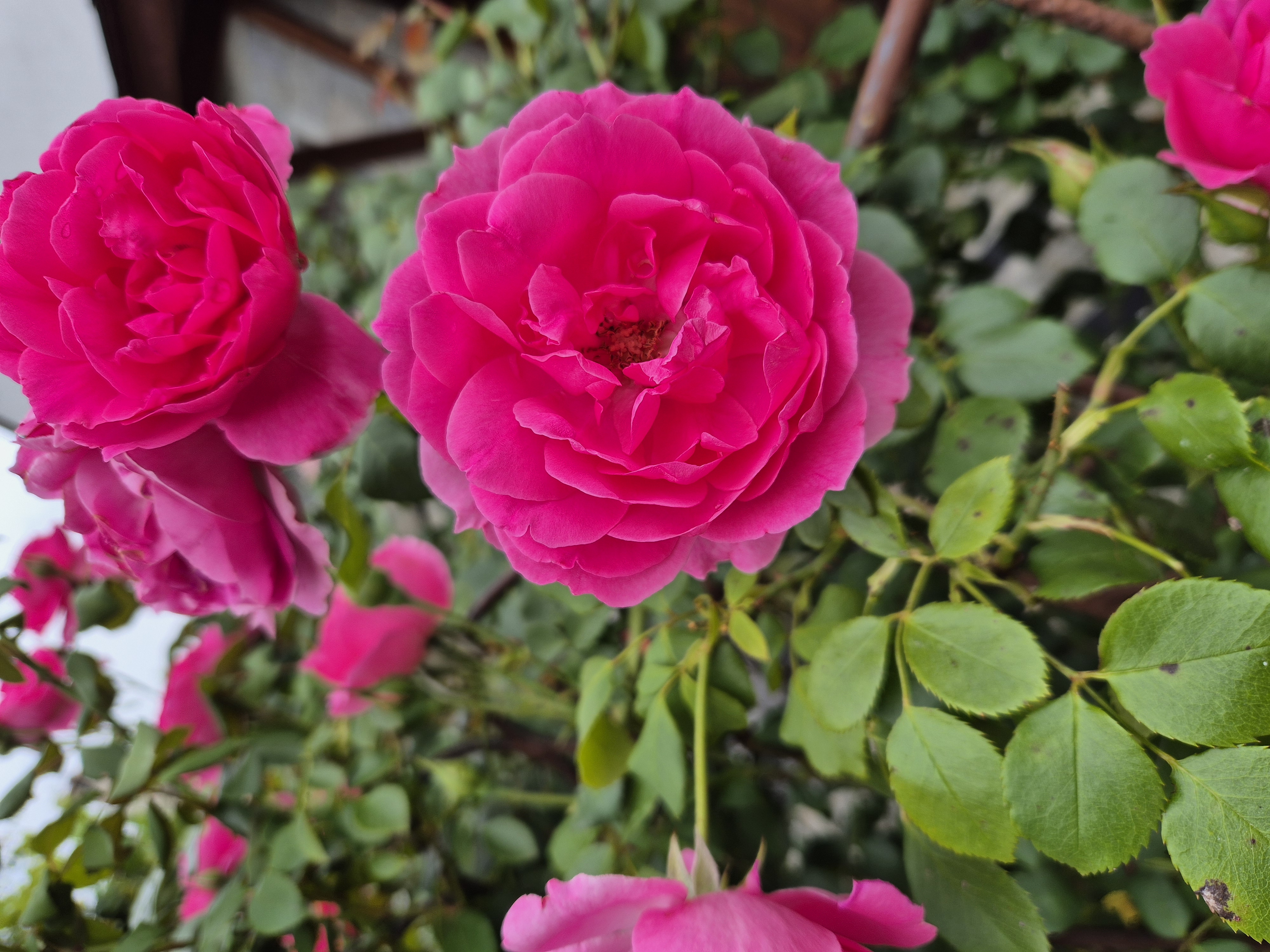
Rose: The Flower of Love, Healing & the Open Heart
The rose has captivated humanity for thousands of years. Revered by healers, mystics and poets alike, it is far more than a beautiful flower. Rose is a gentle teacher, reminding us that true strength can be soft, love can heal, and beauty begins from within.
Whether enjoyed as tea, infused in oils, distilled into rose water or simply admired in nature, rose offers profound nourishment for the body, mind and spirit.
Holistic (Physical) Benefits of Rose
Rose petals and rose hips are rich in beneficial plant compounds that support overall wellbeing.
Rose may help to:
Support healthy skin through its antioxidant and anti-inflammatory properties.
Hydrate and soothe dry or irritated skin.
Aid digestion and reduce occasional bloating.
Encourage relaxation and reduce feelings of stress.
Support the immune system, particularly through rose hips, which are naturally rich in vitamin C.
Promote healthy ageing by protecting cells from oxidative stress.
Rose has long been used in herbal medicine to gently restore balance without overwhelming the body.
Energetic Benefits of Rose
Energetically, rose carries one of the highest vibrational frequencies found in nature.
Its energy is soft, expansive and deeply nurturing.
Rose encourages us to:
Open the heart without fear.
Release emotional armour.
Restore inner harmony.
Invite peace after emotional challenges.
Cultivate compassion towards ourselves and others.
Rose reminds us that vulnerability is not weakness but courage expressed through love.
When emotions become heavy, rose gently lifts and softens the energetic field.
Spiritual Benefits of Rose
Throughout history, the rose has symbolised divine love, sacred wisdom and spiritual awakening.
Spiritually, rose supports:
❤️ Divine Love
Rose invites us to experience love beyond conditions or expectations.
🌹 Heart Healing
It helps release grief, resentment and emotional pain, creating space for forgiveness and compassion.
✨ Spiritual Awakening
Many traditions associate the unfolding rose with the unfolding of consciousness.
Each petal represents another layer of the soul opening towards truth.
🕊️ Inner Peace
Rose encourages stillness, trust and surrender to life's natural unfolding.
It teaches that softness often carries the greatest strength.
Ayurvedic View of Rose
In Ayurveda, rose is considered one of the most balancing flowers for both body and mind.
Rasa (Taste)
Sweet
Slightly bitter
Astringent
Virya (Energy)
Cooling
Vipaka (Post-digestive Effect)
Sweet
Dosha Balance
Pitta
Rose is especially beneficial for Pitta.
Its cooling nature calms excess heat, inflammation, frustration and irritability.
Vata
Rose gently soothes anxiety, nervousness and emotional sensitivity.
Kapha
Rose can help uplift emotional heaviness and encourage emotional openness.
Ayurvedic Actions
Rose is traditionally known to:
Cool excess heat within the body.
Support healthy digestion.
Nourish the skin.
Calm the nervous system.
Strengthen emotional resilience.
Build Ojas—the subtle essence associated with vitality, immunity and radiant wellbeing.
Rose as a Sacred Practice
Try slowing down with a warm cup of rose tea.
As you inhale its delicate fragrance, imagine each breath gently opening your heart.
Ask yourself:
"Where in my life am I ready to replace fear with love?"
Allow the answer to arise naturally, without judgement.
Rose teaches us that healing rarely happens through force.
It unfolds gently, one petal at a time.
In Essence
Rose is the flower of unconditional love.
It softens the heart without making it fragile.
It reminds us that beauty is not something we achieve—it is something we reveal when we live with authenticity, compassion and openness.
Like the rose itself, we can grow through life's thorns while continuing to bloom.
Reflective Coaching Questions
❤️ Divine Love
Where in your life could choosing love over fear transform the way you experience yourself or others?
🌹 Heart Healing
What emotion or past experience is your heart ready to gently release to make space for deeper peace?
✨ Spiritual Awakening
Which part of your authentic self is quietly waiting to unfold, just like a rose opening to the morning sun?
🕊️ Inner Peace
What daily practice would help you return to the calm, loving centre that already exists within you?
Mini Rose Ritual – Opening the Heart
Light a candle and prepare a cup of warm rose tea.
Hold the cup close to your heart and take three slow, conscious breaths.
As the fragrance rises, imagine a beautiful rose blooming in the centre of your chest. With each inhale, its petals gently open, filling your heart with soft pink light. With each exhale, release tension, hurt and anything that no longer serves you.
Place one hand on your heart and quietly repeat:
I open my heart to love.
I receive compassion with grace.
I honour the beauty within me.
I choose to bloom exactly as I am.
Sip your tea slowly, allowing each mouthful to become an act of self-love and gratitude.
This is the end of my usual blog post, but as I am not sure when I will start that membership that I always talk about, if ever at all, I am going to share with you the content that was about to go inside the membership.
There are many variations of Rose plant. I am going to introduce you to two that I use the most in my potions and home made recipes for cooking.
Dog Rose & Rosa Rugosa
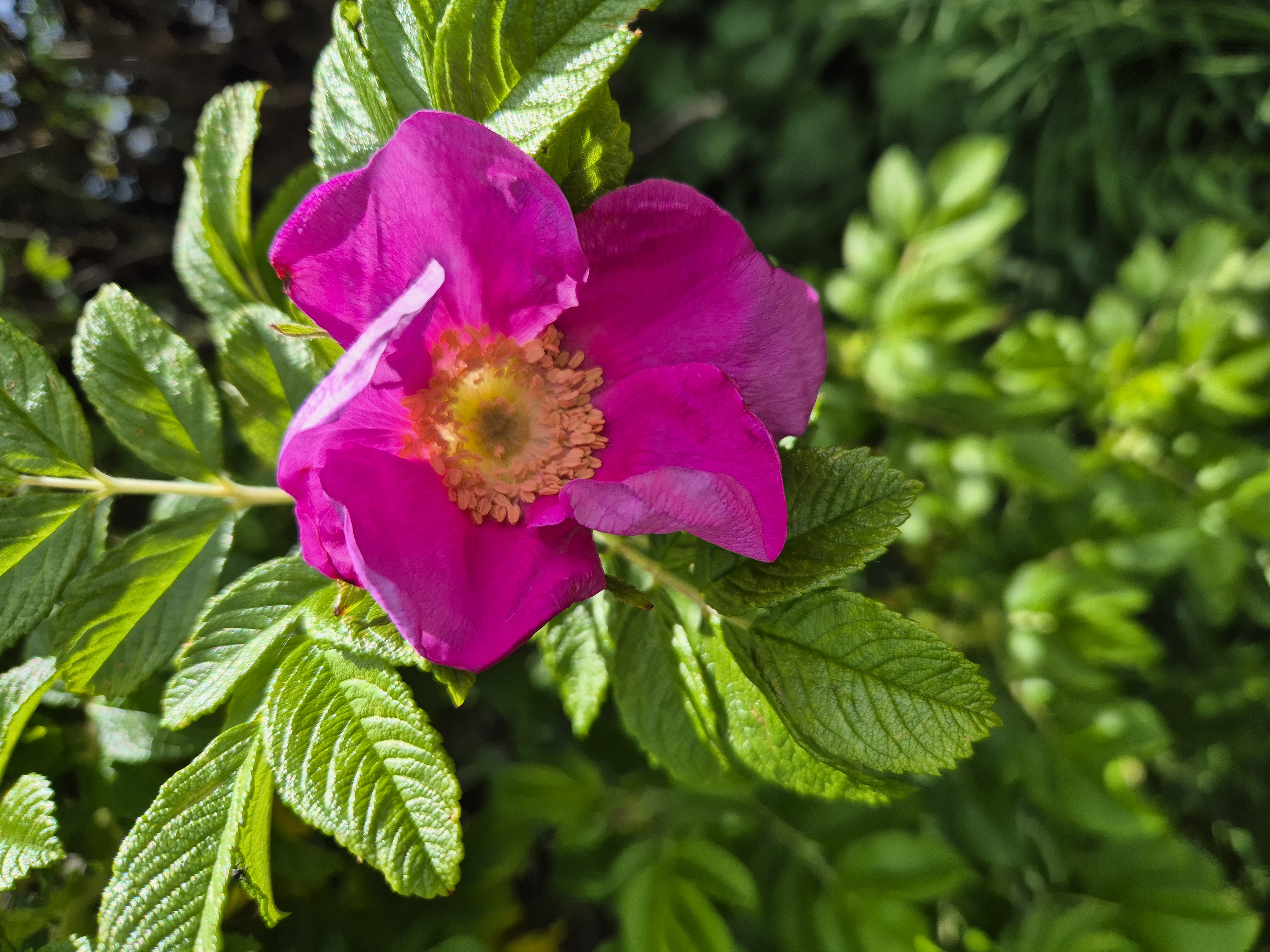
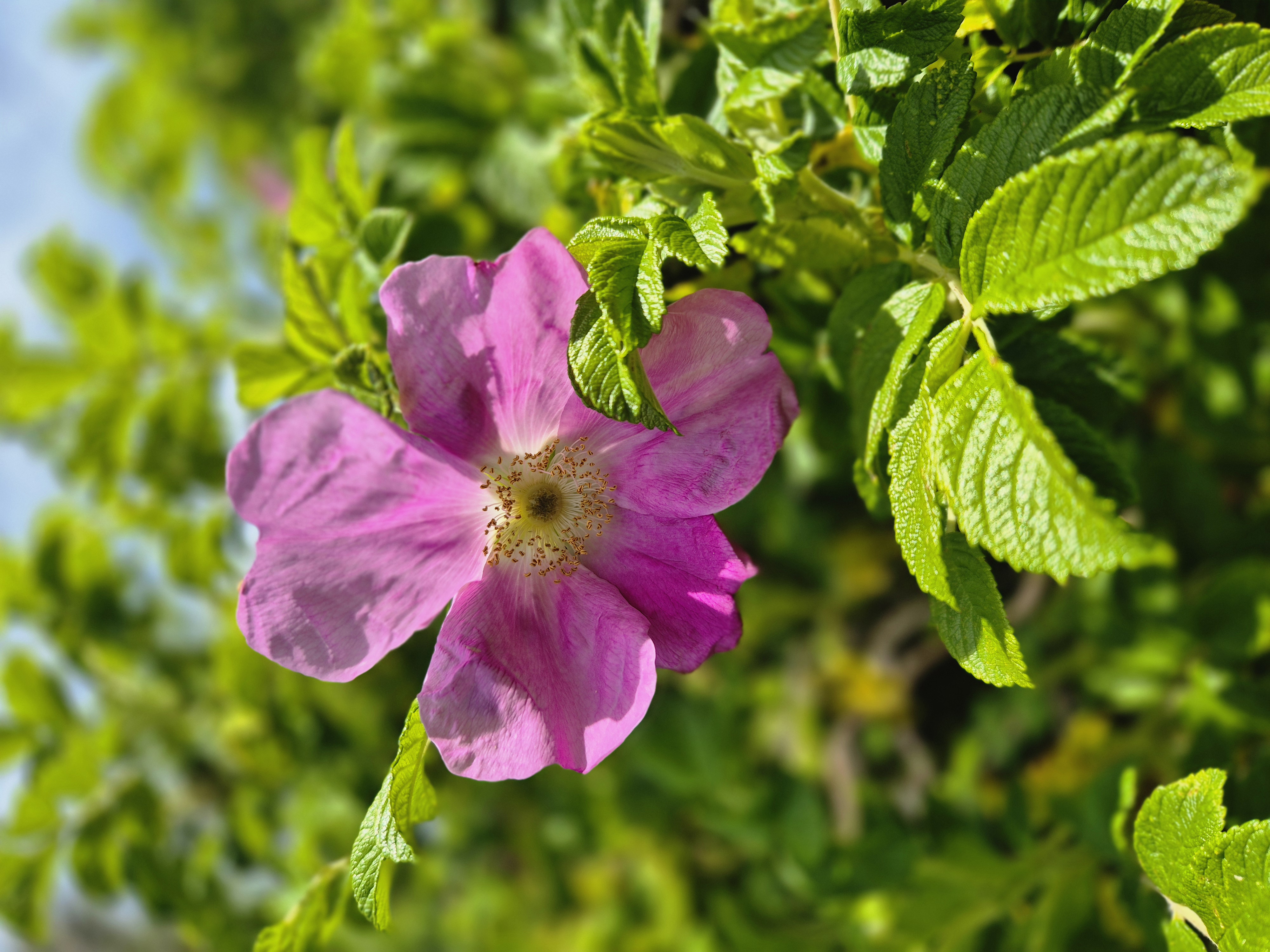
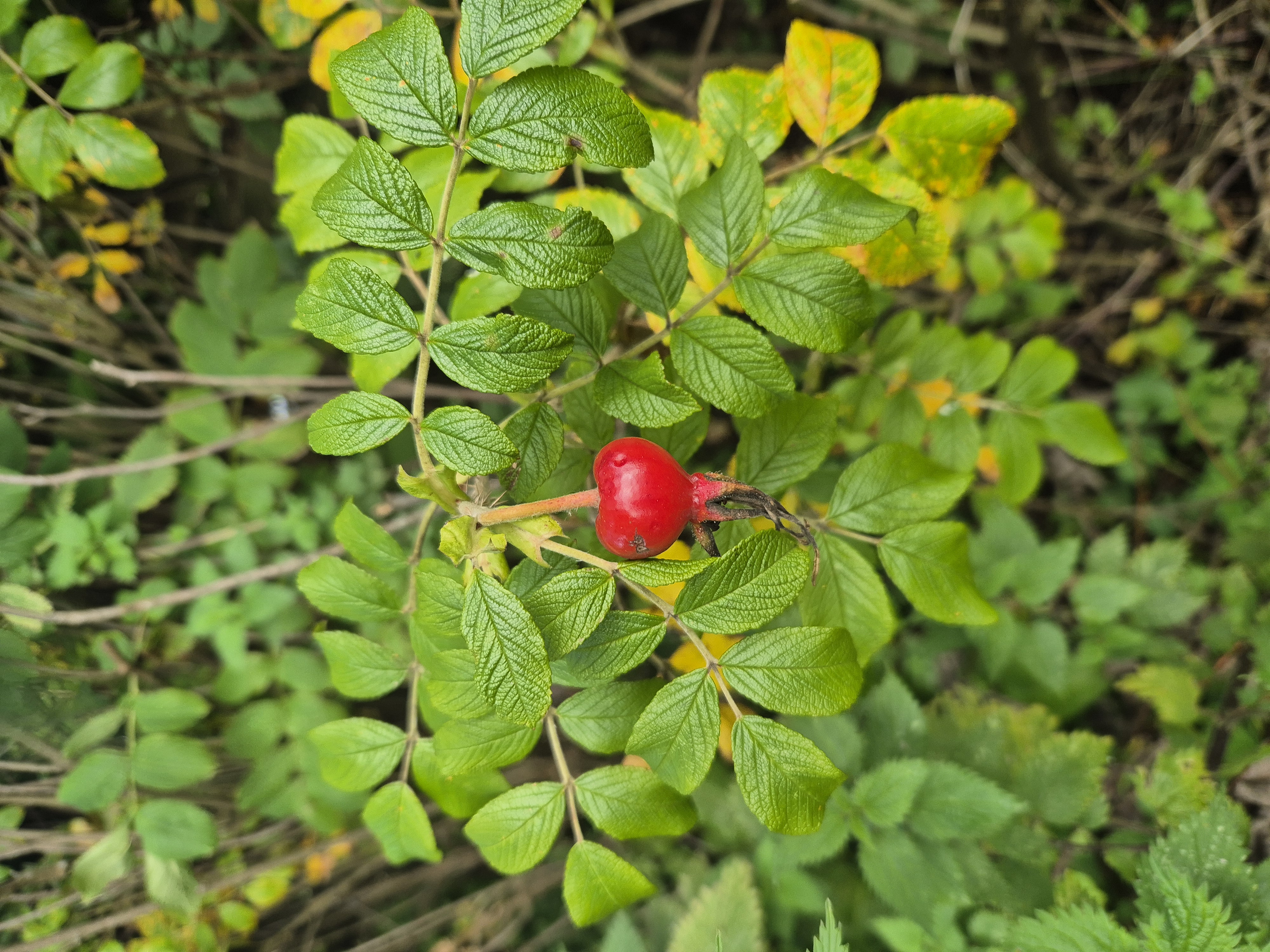
Dog rose (Rosa canina) and Rosa rugosa are two distinct wild rose species, though they are sometimes confused or grouped together in hedging. The dog rose is a native European scrambling climber with smooth, wrinkled-free leaflets and single pink flowers, while Rosa rugosa (the Japanese rose) is a stout, suckering Asian shrub known for heavily wrinkled leaves and prolonged summer flowering.
Key Differences
Scientific Name: Dog rose is Rosa canina; Rosa rugosa retains its species name (rugosa meaning "wrinkled").
Origin: Dog rose is native to Europe, northwest Africa, and western Asia; Rosa rugosa is native to eastern Asia (China, Japan, Korea).
Growth Habit: Dog rose scrambles up to 5 meters high into trees or hedgerows; Rosa rugosa forms dense, upright shrub thickets up to 2.5 meters tall via underground suckers.
Leaves: Dog rose has smooth, flat green leaflets; Rosa rugosa features deeply veined, rough, and heavily wrinkled dark green leaves.
Flowers & Hips: Dog rose blooms briefly in late spring/summer with pale pink or white flowers yielding smooth oval red hips; Rosa rugosa blooms recurrently all summer with deep purplish-pink flowers and large, tomato-like flattened red/orange hips.
Shared Uses and Traits
Wildlife Value: Both provide heavy nectar for bees and insects in summer and large rosehips for birds and mammals through winter.
Edibility & Benefits: Both produce vitamin C-rich rosehips useful for jams, teas, and syrups, while the petals are edible.
Hardiness: Both tolerate poor soils, exposure, and coastal winds, though Rosa rugosa has exceptional resistance to salt spray and severe cold.
The rose hip is not a separate plant. It is the fruit that grows on both the dog rose (Rosa canina) and Rosa rugosa after their flowers are pollinated.
While the dog rose and Rosa rugosa are the names of the entire bushes, the rose hip is just the seed pod they produce in autumn.
Fruit Differences Between the Two Plants
The rose hips produced by these two specific plants look, feel, and taste quite different:
Dog Rose Hips (Rosa canina): These are small, elongated, and oval-shaped (like a small olive). They have a smooth, shiny skin and turn a bright, deep red. They are quite firm and hold their shape well into the winter.
Rosa Rugosa Hips: These are large, round, and flattened at the ends, closely resembling small cherry tomatoes. They turn a bright orange-red or brick red. They are much fleshier, softer, and yield significantly more pulp per fruit than dog rose hips.
Processing and Culinary Differences
The Internal Hairs: Inside all rose hips are tiny, stiff hairs surrounding the seeds. These hairs act as a severe irritant to the digestive tract (and are famously used to make traditional itching powder).
Processing Effort: Because Rosa rugosa hips are so large and fleshy, they are much easier to slice open and scrape the irritating hairs out of. Dog rose hips are small and tedious to clean individually, so they are usually boiled whole and strained through a fine muslin cloth to remove the hairs when making syrup or jelly.
Flavor Profile: Both are highly nutritious and packed with Vitamin C. However, Rosa rugosa hips are generally considered sweeter and fruitier, making them the preferred choice for raw eating (after removing the seeds/hairs) or making thick jams. Dog rose hips have a more tart, classic herbal flavor best suited for teas and strained syrups.
Key takeaways:
Rosa rugosa has bigger, sweeter fruits and very fragrant flowers—better for culinary and cosmetic uses.
Dog rose has smaller, less fleshy hips and is more commonly used for traditional herbal remedies.
💡 Tip: If your goal is making jams, syrups, or rose hip oil, Rosa rugosa is generally preferred because of its larger, juicier hips.
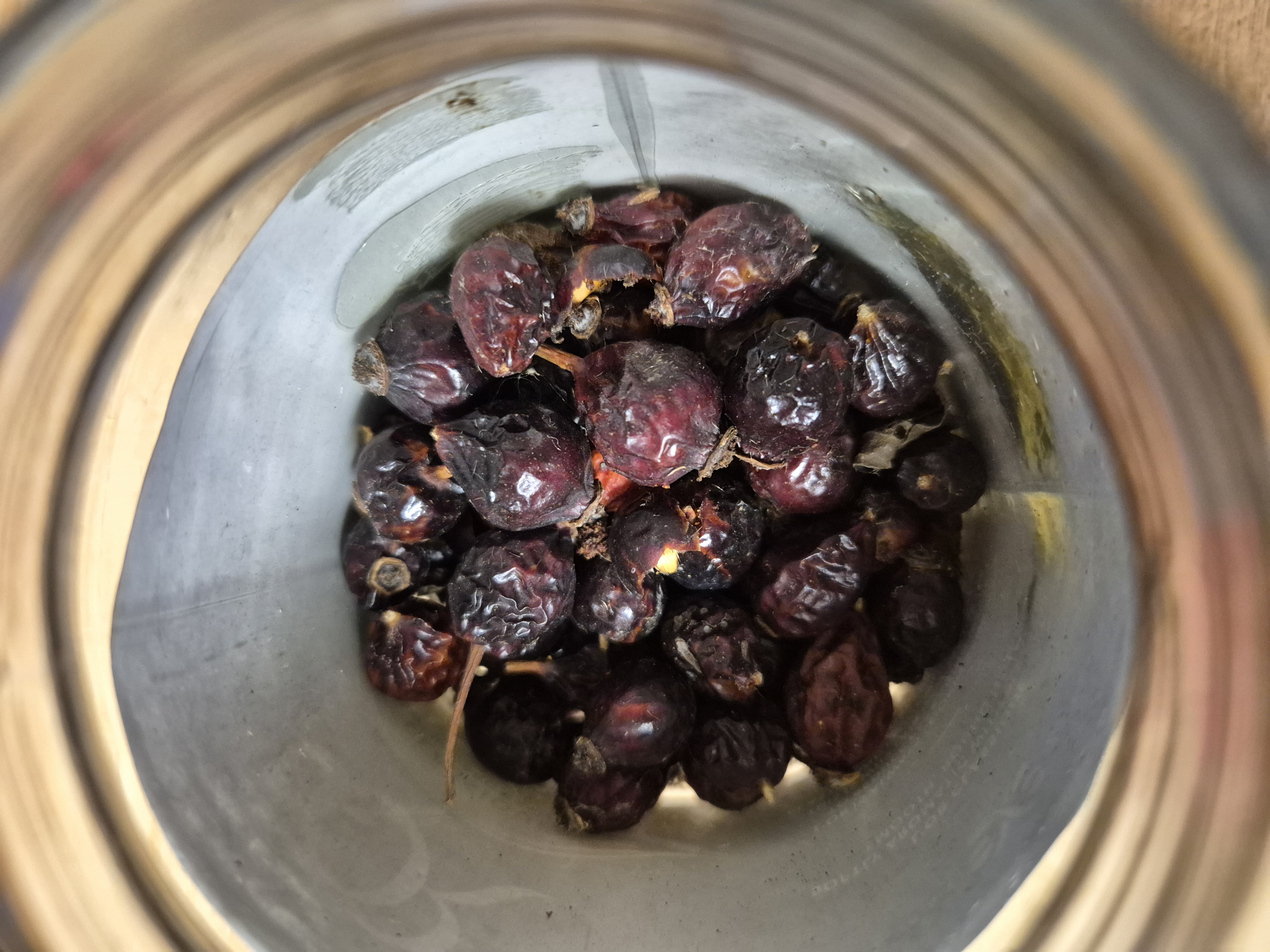
Rose hips—are these beautiful, fragrant, vitamin C–rich “apples” that grow on the wild rose. They’re edible and super versatile! Here’s a breakdown of what you can do with them:
1. Make Rose Hip Tea
Slice the hips in half and remove seeds (they can be irritating if eaten).
Steep in hot water for 10–15 minutes.
Add honey or a slice of lemon for flavor.
Benefits: High in vitamin C, antioxidants, and supports the immune system.
I personally soak the hips whole into warm water over night and then the next day I boil them and sieve and drink the tea. I will boil the same hips for a few days in a roll until they keep colouring the water.
2. Make Rose Hip Jam or Jelly
Boil cleaned rose hips until soft.
Mash or blend and strain for smooth jelly.
Add sugar and a bit of lemon juice and cook until it sets.
Delicious on toast, scones, or in desserts.
3. Make Syrup
Simmer rose hips with water and sugar (or honey) until thick.
Strain and store in a bottle.
Use as a topping for pancakes, yogurt, or as a natural vitamin C booster in drinks.
4. Bake with Them
You can incorporate mashed or pureed rose hips into muffins, cakes, or bread.
Pair well with apple, pear, or berry flavors.
5. Make Rose Hip Oil (for skin)
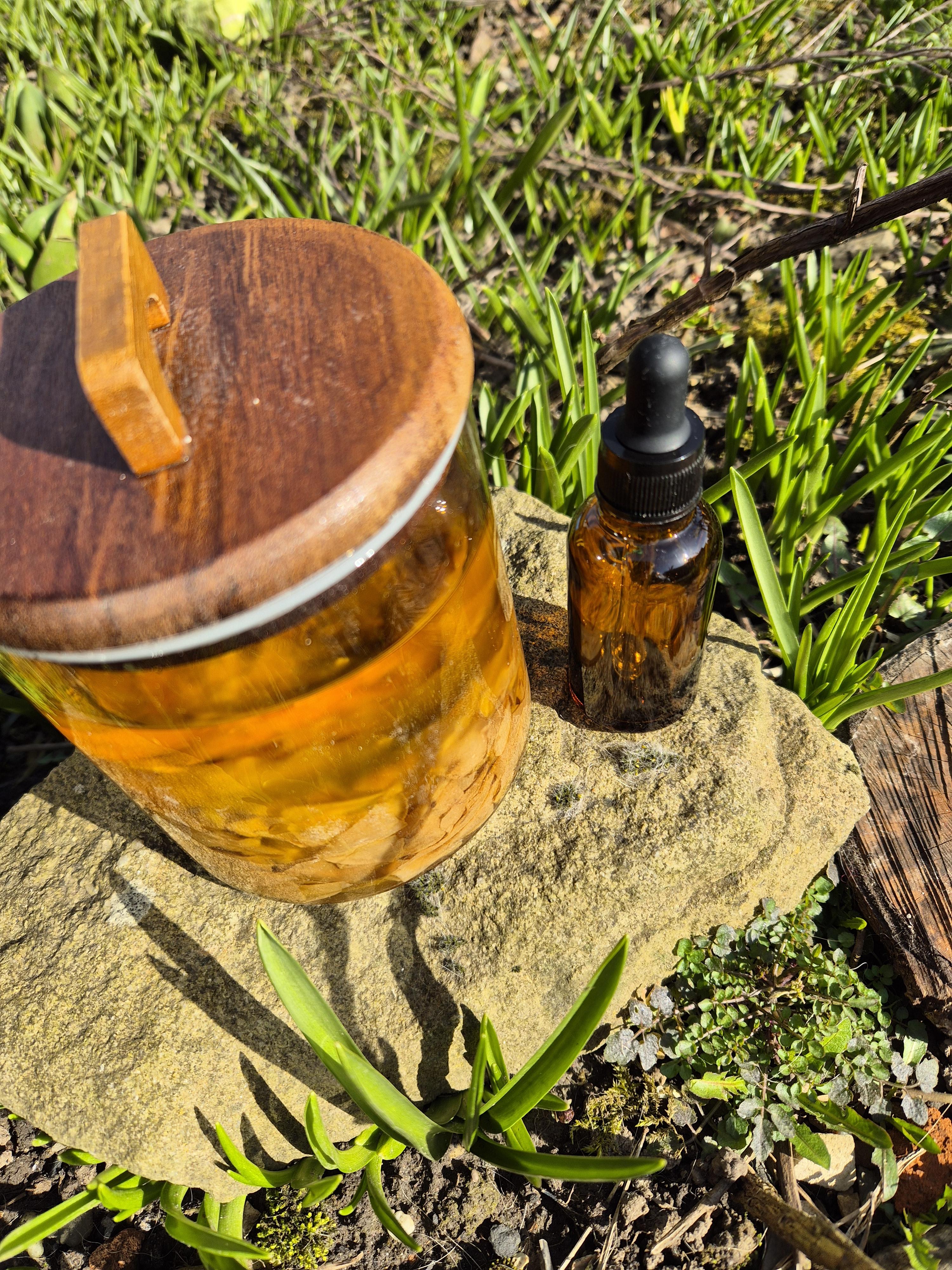
Crush the hips, dry them, and soak in a carrier oil (like almond or jojoba) for several weeks.
I personally use the rose petals. I soak them for a few weeks 3 to 6 weeks in oil in a dark room or cabinet and shake the jar every day or 3 times a week and then sieve through a muslin cloth and use the oil for face and body.
Strain and use as a nourishing skin oil—great for hydration, scars, and wrinkles.
6. Make Rose Hip Powder
Dry the hips completely, remove seeds, and grind into a powder.
Add to smoothies, oatmeal, or soups for a vitamin C boost.
7. Infuse Vinegar
Add chopped rose hips to apple cider vinegar for a fruity, tangy infusion.
Great in salad dressings or tonics.
8. Infuse Rose Tincture
Add rose petals to alcohol base like rakia, grapa or vodka for a fruity, tangy infusion.
Great in tea, coffee, cocoa and cakes.
💡 Tip: Always remove the seeds and tiny hairs inside—they can irritate the digestive system. Also, rose hips are at their sweetest after the first frost.
I want to take the opportunity and to invite you to start your inner exploration and journey, where you will learn some simple but very powerful and profound techniques for great health and abundant life. Take the first step towards more centred and aligned you. Find out more on:
Use the code ALIGN at the check out and get £100 off. The code is valid until end of September 2026 and is available only for my blog readers as a thank you.
Click anywhere on the coloured text above and a donation page will pop up in front of you.


